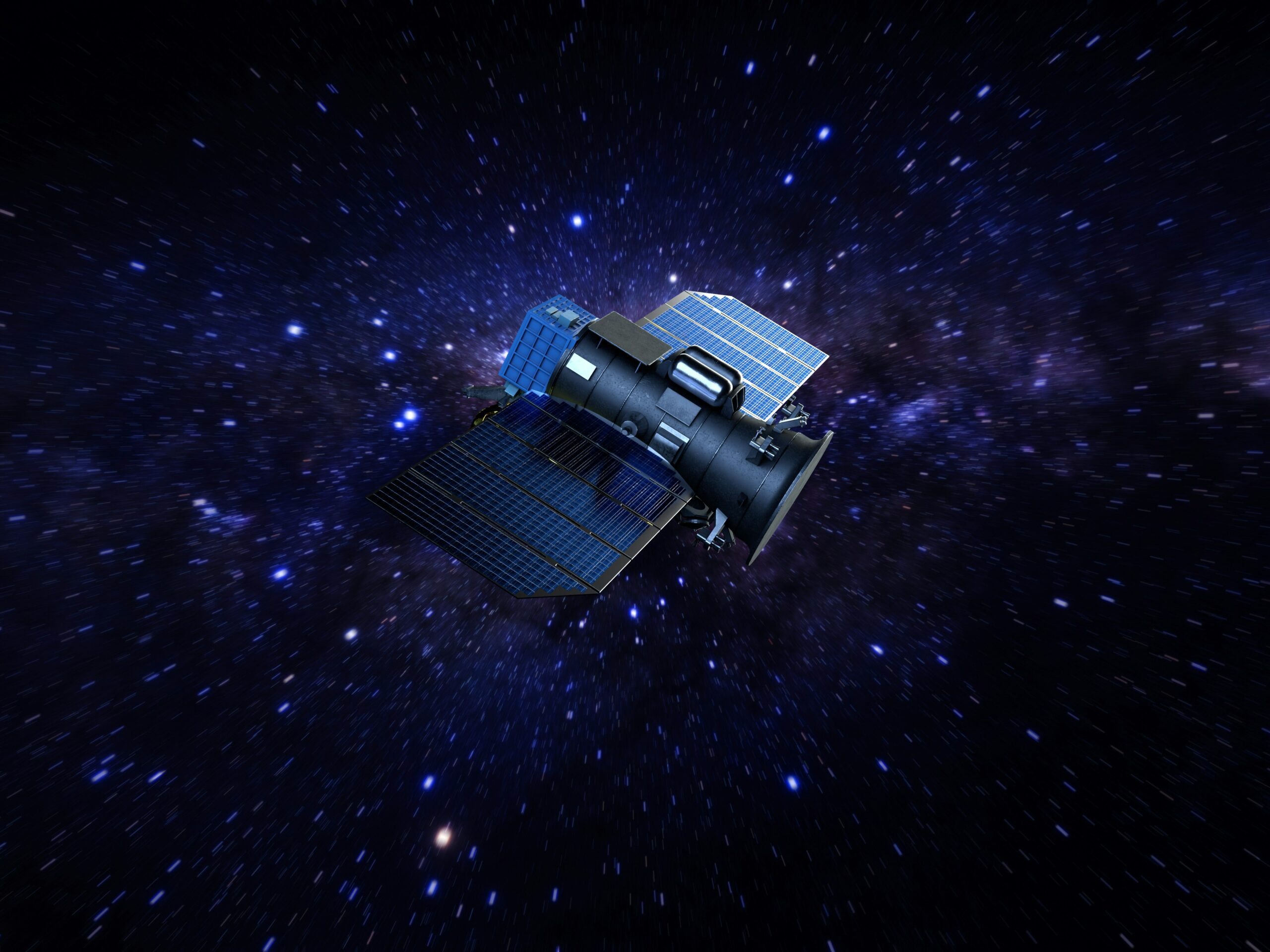
The curtain has been pulled back on one of the U.S. military’s most closely guarded secrets: the United States now has weapons deployed in orbit. Speaking at the AFA’s 2026 Air, Space & Cyber Conference, Secretary of the Air Force Troy Meink publicly confirmed the deployment of on-orbit space control weapons — the first official acknowledgment of its kind. While specifics about the type of weaponry remain classified, the revelation marks a pivotal shift in how the Space Force approaches its mission set, moving decisively from a posture of observation to one of active deterrence and, if necessary, combat operations in the space domain.
The timing of this disclosure is no coincidence. With Russia and Iran deepening their weapons partnership — including the transfer of upgraded munitions, satellite imagery, and targeting data used against American forces in the Middle East — the geopolitical landscape has never been more consequential for space operations. Meanwhile, real-world incidents like the Italian NATO fighter jet shooting down an unidentified drone over Lithuania, which Italy’s defense minister believes most probably originated from Russia, underscore that conflicts once confined to terrestrial theaters are now spilling into the skies and beyond. These converging threats are forcing the U.S. military to reconsider its strategic priorities at an accelerated pace.
In response, the Space Force is embarking on its most ambitious expansion to date, with plans to add 10,000 guardians over the next five years — effectively doubling its uniformed ranks. The service is also betting on a dramatic increase in space-based intelligence, surveillance, and reconnaissance capabilities, with projections suggesting that ISR satellite launches will grow more than fourfold over the next decade. Officials have emphasized the need to build the “right mix” of weapons systems, even as depleted stockpiles from ongoing conflicts raise questions about whether the military can sustain its ambitions.
Yet the path forward is not without friction. The ongoing debate over the Traffic Coordination System for Space (TraCSS) — and whether the Department of Commerce or the Department of Defense should lead space situational awareness efforts — highlights a fundamental tension between civil and military priorities in the space domain. If TraCSS is scrapped, US Space Command could find itself permanently responsible for space safety without the tools or partnerships needed to manage the increasingly crowded orbital environment. As the frontier of warfare shifts decisively above the Earth, how the U.S. chooses to coordinate, invest, and legislate will determine whether it maintains its strategic edge — or cedes the final domain to adversaries.
Image credits: Allison Saeng